


Address: Business 101 Tower, King Abdulaziz Road, Jubai city center, Al-Jubai 35514, Saudi Arabia
With the growing reliance on mobile networks for communication, work, and entertainment, robust indoor connectivity has become essential. Many buildings, especially high-rises, shopping malls, hospitals, and airports, experience poor signal penetration from outdoor networks due to structural barriers. Indoor telecom infrastructure resolves these challenges, ensuring users have reliable access to voice and data services.
Distributed Antenna Systems (DAS):
DAS consists of a network of antennas strategically placed inside buildings to distribute cellular signals effectively. It connects to a base station or repeater to enhance signal strength and ensure uniform coverage.
Small Cells:
These low-power base stations are used to improve network coverage and capacity in specific indoor areas. Small cells are scalable and ideal for high-density environments.
Repeaters:
Signal repeaters amplify existing mobile signals to improve connectivity in areas with weak signal strength.
Cabling and Backhaul:
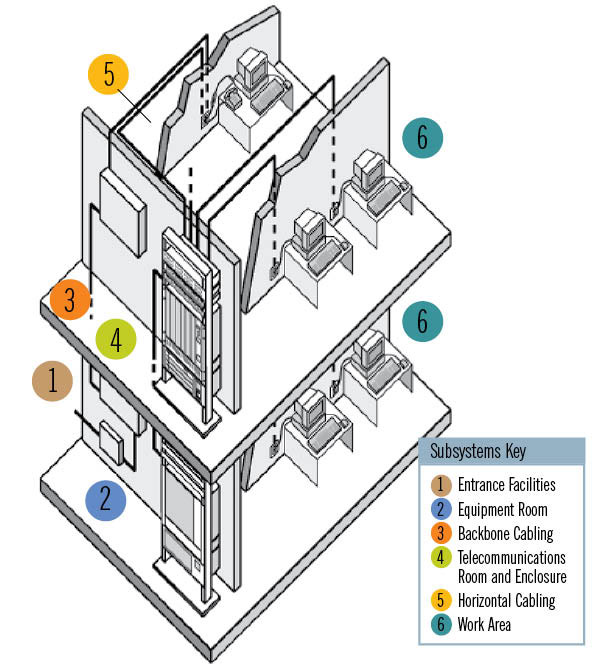
Fiber-optic or coaxial cables connect the indoor system components to the core network, ensuring efficient signal transmission.
Site Surveys and Design:
Comprehensive analysis of the building’s architecture and existing network performance to design a custom solution tailored to the client’s needs.
Installation and Integration:
Deployment of equipment, including antennas, cabling, and base stations, with integration into the existing telecom network.
Testing and Optimization:
Post-installation testing to ensure optimal performance, including signal strength, capacity, and latency. Continuous optimization to adapt to changing user demands.
Maintenance and Upgrades:
Ongoing support to maintain system reliability and periodic upgrades to incorporate new technologies, such as 5G.
Commercial Buildings:
Offices, malls, and conference centers rely on these systems to support high call volumes and data traffic.
Residential Complexes:
Ensures seamless communication for residents, particularly in high-rise apartments.
Public Venues:
Airports, stadiums, and hospitals benefit from enhanced connectivity to serve large user bases.
Industrial Facilities:
Supports IoT and machine-to-machine (M2M) communication in factories and warehouses.